
Why Do Puppies Die After Birth: Causes & Care
Table of Contents
- What Fading Puppy Syndrome Actually Means
- Fading Puppy Syndrome Symptoms Every Breeder Must Recognize
- The Main Reasons Puppies Die After Birth
- Step-by-Step Emergency Intervention for a Fading Puppy
- How to Keep Newborn Puppies Warm and Why It Saves Lives
- Newborn Puppy Care Guide: Prevention Before the Crisis
- Conclusion
Last Updated: August 17, 2026
What Fading Puppy Syndrome Actually Means
Neonatal mortality is common and happens fast. Most losses occur within the first week of life, and most are preventable with the right knowledge and equipment.
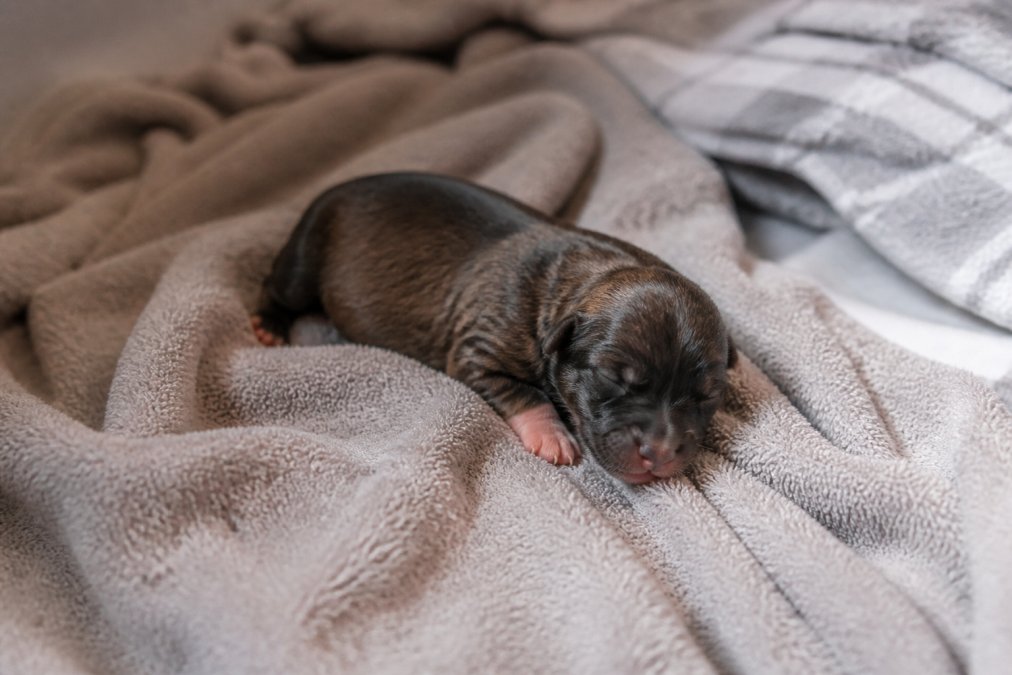
Fading puppy syndrome is the term veterinarians use to describe a newborn puppy that appears healthy at birth but progressively weakens and dies within the first two weeks of life. It is not a single disease but a clinical pattern, a collection of overlapping causes that all lead to the same outcome: a puppy that fails to thrive.
The term matters because it shifts how you respond. Rather than waiting for a specific diagnosis, experienced breeders and veterinary staff learn to recognize the syndrome itself and act immediately. The window for intervention is measured in hours, not days. Newborn puppies cannot regulate their own body temperature, cannot produce meaningful glucose reserves, and depend entirely on the dam for nutrition, warmth, and immune protection through colostrum.
Fading Puppy Syndrome Symptoms Every Breeder Must Recognize
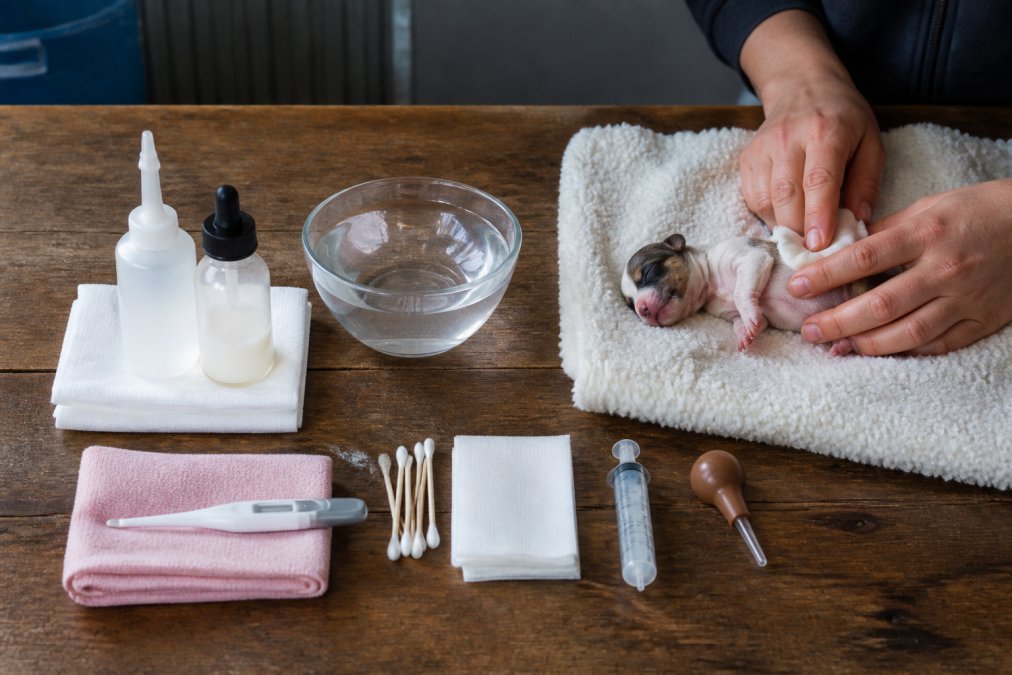
Early Warning Signs in the First 48 Hours
The first 48 hours after whelping are the highest-risk period. A fading puppy in early decline often shows subtle signs that are easy to dismiss in a large litter.
Watch for continuous crying even when the litter is quiet, failure to latch or nurse, separation from the dam or littermates, noticeable weight loss, reduced muscle tone, and pale or bluish gums. A healthy newborn puppy should gain weight every single day. Weighing each puppy at birth and every 12 hours in the first week is one of the most reliable early warning systems available.
Signs of Respiratory Distress and Hypoglycemia
Respiratory distress in a canine neonate looks like rapid, shallow breathing, gasping, or visible chest retractions. Hypoxia can develop within minutes and causes rapid neurological deterioration.
A hypoglycemic puppy is weak, cold to the touch, and unresponsive. It may twitch or paddle its legs. These puppies need glucose supplementation immediately; without it, the brain sustains damage within a very short window.
The Main Reasons Puppies Die After Birth
Hypothermia and Failure to Thermoregulate
Hypothermia is the leading cause of neonatal puppy death and is almost entirely preventable.
Newborn puppies cannot generate sufficient heat independently for the first three weeks of life. When environmental temperature drops, their core temperature drops with it, and a cold puppy cannot nurse, digest food, or fight infection. A body temperature below 94°F in a neonate is a medical emergency.
The recommended environmental temperature for newborn puppies is between 85°F and 90°F in the first week, tapering gradually as the litter ages. Inconsistent heat sources create hot and cold zones within the whelping box, and puppies that drift to a cold corner can fade within hours. According to Cornell University College of Veterinary Medicine neonatal care resources, maintaining consistent environmental warmth is one of the most critical factors in reducing neonatal mortality. The Puppywarmer incubator utilizes a Ceramic infrared heater which emits wavelengths that heat the puppy about an inch into their body to help the puppy utilize its own circulatory system to help regulate temperature. We recommend 90°F setpoint for the first hours of life (when wet) and 88°F after the first few hours of life, gradually lowering the temperature of the unit based upon physical cues indicating strengthening of the puppy.
Hypoglycemia, Dehydration, and Failure to Nurse
A puppy that does not nurse within the first few hours of life is already in trouble.
Colostrum, the first milk produced by the dam, delivers passive immunity and critical nutrients. Puppies that fail to nurse miss this window, as the gut's ability to absorb colostrum antibodies closes within approximately 12 to 24 hours after birth. Beyond immunity, nursing provides the glucose and hydration a neonate needs to survive.
Dehydration develops quickly in newborns. A simple skin tent test can help assess hydration; slow return indicates dehydration. Puppies that are dehydrated and hypoglycemic simultaneously require immediate glucose supplementation and fluid support under veterinary guidance.
Supplemental oxygen in the first hours and of life improves the puppies ability to feed for an extended period of time.
Maternal Neglect, Low Birth Weight, and Congenital Defects
Not every dam is an attentive mother. First-time mothers, dams recovering from difficult whelping, or those with hormonal imbalances may reject or neglect one or more puppies. Rejected puppies rapidly become hypothermic and hypoglycemic without human intervention.
Low birth weight compounds these challenges. Puppies born significantly smaller than their littermates compete poorly for nipple access, tire faster during nursing, and have less metabolic reserve.
Congenital defects, including cleft palates, heart defects, and intestinal malformations, account for a meaningful share of early neonatal deaths. A cleft palate prevents effective nursing and causes aspiration of milk into the lungs. A thorough physical examination of each puppy immediately after whelping is essential.
Infection, Sepsis, and Environmental Factors
Bacterial and viral infections can spread through a litter with devastating speed. Neonatal puppies have no functioning immune system of their own; they rely entirely on maternal antibodies transferred through colostrum.
Common sources of bacterial infection include contaminated bedding, the dam's mammary glands, and the umbilical stump. Environmental temperature and humidity also play a role; a whelping area that is too humid encourages bacterial growth, while one that is too dry contributes to dehydration. According to American Veterinary Medical Association neonatal care guidelines, environmental hygiene and sanitation of whelping equipment are fundamental to reducing neonatal infection rates.
Canine herpesvirus thrives in cooler temperatures, which is one additional reason why maintaining appropriate environmental warmth is protective.
If the mother is continually licking the puppies chech for a dark circle around the umbilical cord which could indicate umbilical cord sepsis.
Dystocia, Uterine Inertia, and Hypoxia During Whelping
Dystocia, or difficult birth, occurs when whelping is prolonged or obstructed. Uterine inertia, the failure of the uterus to contract effectively, can cause puppies to remain in the birth canal far longer than is safe. Every minute represents additional hypoxia risk.
Hypoxia during whelping causes brain damage, respiratory depression, and cardiovascular compromise. Puppies born after prolonged labor may appear alive but fail to breathe spontaneously, or may fade over the following hours as oxygen deprivation effects become apparent.
Step-by-Step Emergency Intervention for a Fading Puppy
A fading puppy requires calm, systematic action. Here is a practical emergency protocol:
- Warm the puppy first. Place the puppy in a controlled heat environment targeting 85°F-90°F, such as a Puppywarmer Incubator. Never use direct heat sources that cannot be regulated.
- Clear the airway. Gently hold the puppy and support the head and neck. Use a bulb syringe or delee mucose trap to clear the airways. Swinging and slinging a puppy is generally discouraged due to potential risk to the brain.
- Stimulate breathing. Rub the puppy briskly with a warm, dry towel, focusing on the chest and back.
- Check for a heartbeat. Place two fingers gently on the chest behind the front legs. A normal neonatal heart rate is above 220 beats per minute.
- Administer glucose if hypoglycemia is suspected. A small amount of corn syrup or dextrose solution applied to the gums can provide a rapid glucose boost.
- Support oxygen delivery. Supplemental oxygen can be critical for puppies showing respiratory distress or hypoxia. Puppywarmer's oxygen concentrators are designed specifically for this application, providing supplemental oxygen in a controlled environment.
- Contact your veterinarian. Emergency intervention buys time but does not replace professional diagnosis and treatment.
How to Keep Newborn Puppies Warm and Why It Saves Lives
Thermoregulation is the single most controllable variable in neonatal puppy survival. The problem with heat lamps, heating pads, and DIY setups is that they provide inconsistent heat. Hot spots and cold zones develop within the whelping space, and a puppy that rolls away from the heat source can drop to a dangerous body temperature before anyone notices.
Precise temperature control is not a luxury. It is the difference between a puppy that survives the night and one that does not.

Newborn puppies at the right internal temperature inside a Puppywarmer incubator.
Puppywarmer incubators address this directly. The PID learning controller adjusts heating output continuously to maintain a consistent temperature between 75°F and 95°F. The ceramic infrared heater warms puppies from the outside in, penetrating approximately one inch into body tissue. The glass enclosure allows continuous visual monitoring without disrupting the thermal environment.
Temperature Stage |
Recommended Range |
Key Risk if Too Cold |
|---|---|---|
Week 1 (days 1-7) |
85°F - 90°F |
Hypothermia, failure to nurse |
Week 2 (days 8-14) |
80°F - 85°F |
Hypoglycemia, immune compromise |
Week 3 (days 15-21) |
75°F - 80°F |
Dehydration, failure to thrive |
Week 4+ |
70°F - 75°F |
Minimal risk, transition to ambient |
Newborn Puppy Care Guide: Prevention Before the Crisis
Preventative Screening for Dams Before Whelping
The best time to address neonatal mortality risk is before the litter arrives.
A comprehensive pre-whelping workup for the dam should include brucellosis testing, canine herpesvirus titer assessment, and a review of vaccination status. Dams that are herpesvirus-positive require special management during late gestation and whelping. According to Merck Veterinary Manual guidance on canine reproduction, pre-breeding health screening significantly reduces the risk of infectious causes of neonatal mortality.
Nutritional status of the dam matters as much as infectious disease status. A dam that enters whelping in poor body condition is less likely to produce adequate colostrum and more likely to experience uterine inertia.
Establish a whelping plan before the due date. Know your veterinarian's emergency contact protocols. Have your whelping equipment set up, tested, and at temperature before the first puppy arrives.
A practical pre-whelping checklist:
- Brucellosis test completed within 30 days of whelping
- Dam's vaccination status current and documented
- Whelping box set up and temperature-tested 48 hours before due date
- Incubator or supplemental heat source powered on and at target temperature
- Neonatal emergency kit assembled and accessible
- Colostrum supplement on hand in case the dam fails to produce adequate milk
- Veterinarian's emergency number posted in the whelping area
- Scale for daily puppy weights within reach
Post-Mortem Diagnostics and the Psychological Impact on Breeders
When a puppy dies despite every intervention, a necropsy can provide answers that protect the rest of the litter and future litters. A necropsy can identify bacterial or viral infection, congenital defects, evidence of hypoxia, and other causes not visible externally.
Contact your veterinarian as soon as possible after a death. Refrigerate the body to preserve tissue for analysis. Most veterinary schools and state animal diagnostic laboratories offer necropsy services, often at reduced cost for breeders. The National Animal Health Laboratory Network resources for diagnostic submissions can help identify the nearest accredited diagnostic laboratory.
Losing a puppy, especially after hands-on intervention, is genuinely distressing. Breeder communities, mentorship networks, and open conversations with your veterinarian are all legitimate resources.
Understanding why puppies die after birth, and acting on that knowledge before a crisis develops, is what separates reactive management from genuinely effective neonatal care. At Puppywarmer, our incubators and oxygen concentrators are designed for exactly this purpose: giving at-risk newborn puppies a controlled, stable environment when their own biology cannot yet provide one. The ceramic infrared heater, PID learning controller, and glass enclosure work together to maintain the precise thermal gradient that neonatal puppies need. Having the right equipment in place before the first puppy arrives is the most important decision you can make. Add a Puppywarmer incubator to your whelping setup and give every puppy in your care a genuine fighting chance.
Frequently Asked Questions
How common is it for puppies to die after birth?
Neonatal mortality is more common than most new breeders expect. Studies in canine reproduction suggest that roughly 18-20% of puppies born alive may not survive past the first three weeks of life, with the highest risk concentrated in the first seven days. Fading puppy syndrome accounts for a significant share of those losses. Large litters, brachycephalic breeds, and dams with a history of reproductive issues face the greatest risk.
What are the primary symptoms of Fading Puppy Syndrome?
The clearest fading puppy syndrome symptoms include persistent crying or whimpering, failure to nurse or latch, low birth weight, feeling cold to the touch, labored or noisy breathing, pale or bluish gums, and progressive weakness. A puppy that separates itself from the litter or gets pushed aside by the dam is also showing a critical warning sign. Symptoms can escalate from mild lethargy to unresponsiveness within hours, so acting immediately is essential.
What should a breeder do if a puppy dies after birth?
First, remove the puppy from the whelping box promptly to protect the rest of the litter. Contact your veterinarian about a necropsy, which is a post-mortem examination that can identify bacterial infection, viral infection, congenital defects, or hypoxia as the cause. Understanding why one puppy died helps you protect the survivors. Emotionally, losing a puppy is genuinely hard — give yourself space to process it while staying focused on monitoring the remaining neonates closely.
How does environmental temperature affect newborn puppy survival?
Canine neonates cannot regulate their own body temperature for the first two to three weeks of life. Without external heat, a puppy's core temperature drops rapidly, leading to hypothermia, suppressed nursing behavior, and hypoglycemia in quick succession. The whelping area should be kept between 85–90°F during the first week, gradually reduced to around 75–80°F by week three. Precise, consistent temperature control — not just a heat lamp pointed at one corner — is what keeps the whole litter safe.
This article was written using GrandRanker